
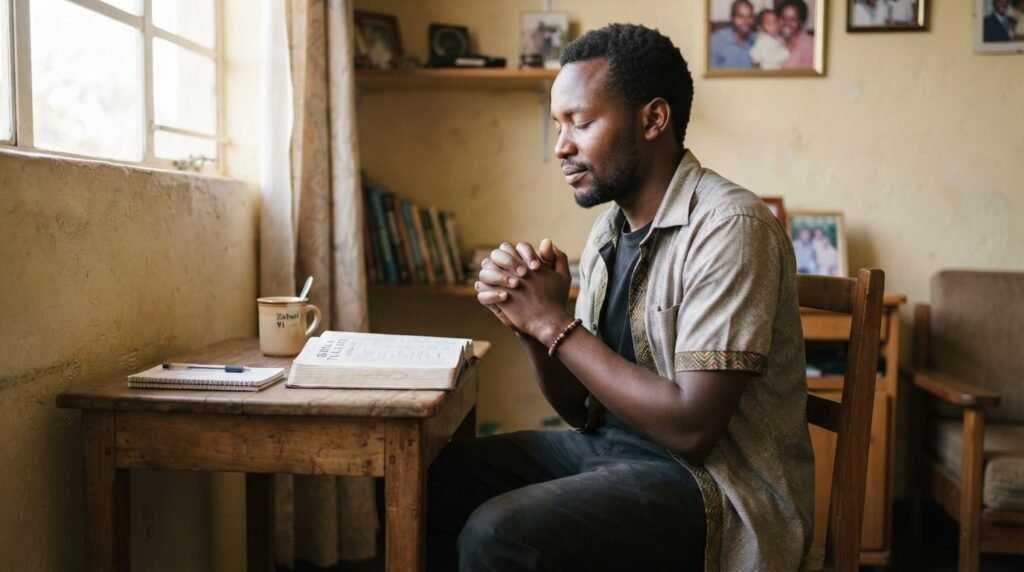
Many people want to pray but hesitate because they are not sure what to say. Perhaps you have wondered whether your words are good enough, whether you are doing it correctly or what to do when your mind keeps wandering. Prayer can feel unfamiliar at first, but you do not need to perform or impress anyone.
Christian prayer is speaking with God in faith. We bring our real lives before Him—our gratitude, questions, failures, needs and hopes—and learn to depend on Him. Scripture gives us guidance for beginning and growing in prayer.
Jesus teaches us how to pray
In Matthew 6:5–13, Jesus warns against praying to attract attention or relying on empty repetition. He then gives His disciples a pattern commonly known as the Lord’s Prayer. It begins with God’s name and kingdom, asks for daily provision, addresses forgiveness and asks for help in temptation.
The Lord’s Prayer is not a magic formula. It teaches us what matters when we come to God. We can use its themes to shape our own honest prayers.
Begin by remembering who God is
Prayer can begin with worship: acknowledging God’s character, holiness, goodness, wisdom and faithfulness. This helps us remember that prayer is not only a list of urgent requests. The Psalms give us words for praise, gratitude, lament and trust. You can read a short Psalm and use its themes to begin speaking with God.
Be honest about sin
Confession means agreeing with God about sin rather than hiding it or making excuses. First John 1:9 speaks of confessing our sins and God’s faithfulness to forgive and cleanse. When you recognise that you have done wrong, name it honestly, ask for forgiveness and seek His help to turn towards a different way of living.
If you have hurt another person, prayer may also lead you to take responsibility, apologise or make something right where possible. Words matter, but a changed response matters too.
Bring your needs and the needs of others
Scripture invites believers to bring their requests to God (Philippians 4:6–7). You can pray about ordinary responsibilities as well as major decisions: family, work, relationships, health, provision, fears and challenges. You can also pray for neighbours, church leaders, people who are suffering and those who do not yet know Christ.
You do not have to use complicated language. Be specific and honest. At the same time, remember that prayer is not a way to control God or guarantee that every request will be answered in the way or timing we prefer. We bring our needs to Him and learn to trust His wisdom.
Make prayer part of ordinary life
A regular time and place can help you build a habit. Choose something realistic: a few minutes in the morning, a quiet moment at lunch or time before bed. You can also pray briefly throughout the day. Consistency is more helpful than setting a demanding routine that leaves you discouraged.
Try reading a short Bible passage and responding to it. If you do not know what to pray, begin with the Lord’s Prayer or a Psalm. If your thoughts wander, gently return to the words of Scripture and continue.
A simple pattern for everyday prayer
- WORSHIP — Acknowledge who God is and praise Him.
- CONFESSION — Be honest about sin and ask for help to turn from it.
- THANKSGIVING — Name specific ways you have experienced God’s goodness.
- REQUESTS — Bring your needs, decisions and concerns to Him.
- INTERCESSION — Pray for family, neighbours, the church and people in need.
- OBEDIENCE — Ask for grace to act on what Scripture teaches.
When prayer feels difficult
There may be days when you feel distracted, tired or unsure what to say. That does not mean you must give up. Keep your words simple. Read a Psalm aloud. Pray with another believer. If you are carrying a heavy burden, speak with a trusted mature Christian or pastoral leader as well. Prayer and wise support can belong together.
Prayer is part of a life of trust, relationship and obedience to God. Begin where you are, keep returning to Scripture and grow in fellowship. You can explore the CMFI Kenya discipleship journey or contact the ministry if you would like to ask about fellowship and ministry connection.